Marsha: Where Elegance Meets Everyday Design
Understanding the Delicate Craft of a Premium Script Font
There is a specific challenge in typography: finding a script typeface that feels personal and human without sacrificing legibility or professionalism. Many handwritten fonts can look chaotic, while others feel too rigid to capture genuine warmth. Marsha navigates this middle ground with a distinct sense of refinement. It is not merely a collection of connected letters; it is a premium font designed to emulate the fluidity of high-end calligraphy while maintaining the consistency required for modern brand identity.
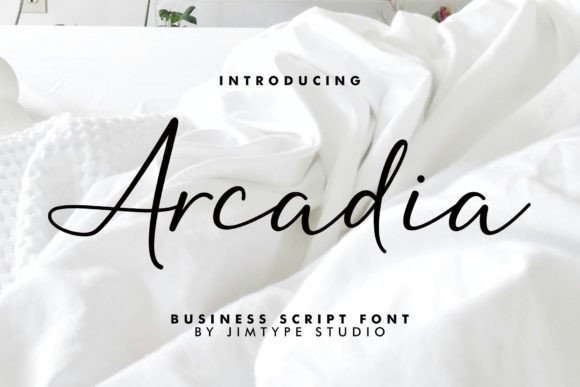
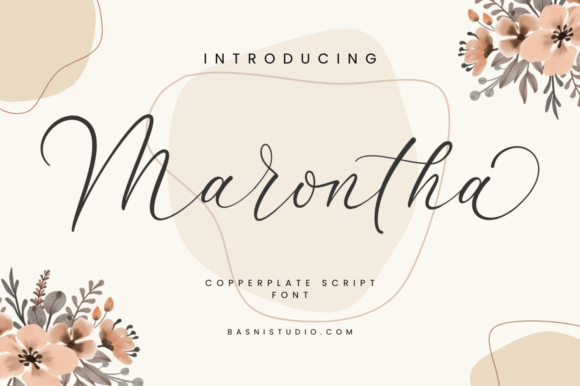
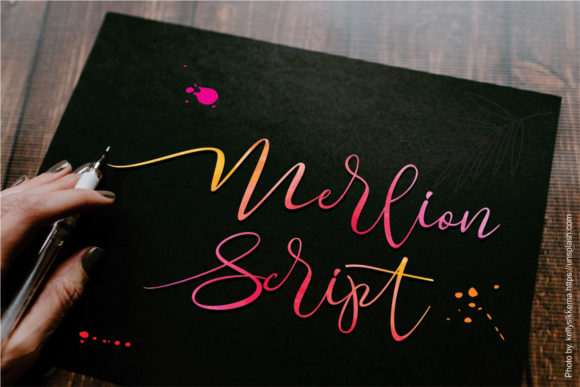
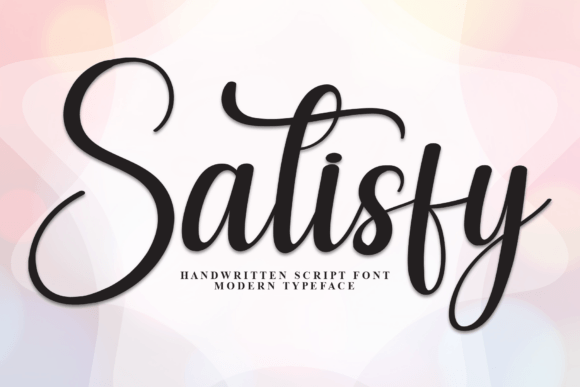
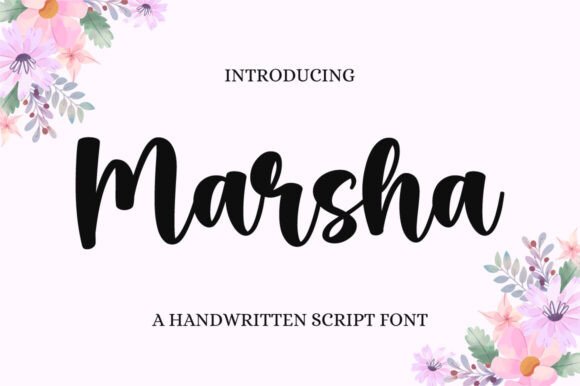
When you look at the letterforms of Marsha, you will notice a delicate balance. The strokes vary in weight, mimicking the pressure of a pointed pen on paper, which adds a layer of texture and authenticity to the design. Unlike many display typefaces that prioritize shock value, Marsha offers a quiet sophistication. Its x-height is carefully calibrated, and the spacing between characters allows the intricate swashes and ligatures to breathe. This makes it an incredibly versatile creative font suitable for a wide array of applications, from digital screens to textured stationery.
The Art of Visual Hierarchy and Brand Perception
Typography is the voice of your design, and the typeface you choose sets the tone before a single word is read. In the realm of modern typography, script fonts are often used to inject personality into a layout. Marsha excels here because it communicates elegance without feeling stuffy or outdated. For logo design, this is particularly valuable. A logo set in Marsha can suggest that a brand is approachable yet high-end, bridging the gap between luxury and accessibility.
Consider how visual hierarchy functions in editorial design or web design. A block of text in a standard serif or sans serif font provides the necessary readability for body copy. However, headlines, pull quotes, and calls to action need to stand out. Using Marsha for these elements creates a focal point that draws the eye. It signals to the reader that this specific piece of information is special or requires attention. This technique is essential for social media graphics, where you have only a split second to capture a user's attention while scrolling. Marsha provides that instant "stop and look" quality.
Practical Applications: From Stationary to Digital
The utility of a font is defined by its context. Marsha is a script font that transitions smoothly between physical and digital mediums, which is a rare trait.
- Wedding Invitations and Stationery Art: This is Marsha’s natural habitat. The font's delicate curves mimic traditional engraving and hand-lettering. When used on packaging design for luxury goods or on wedding suites, it adds a tactile quality, even when viewed on a screen. It pairs beautifully with textured paper stocks, where the thin strokes of the font can interact with the grain of the material.
- Digital Marketing and Social Media: For content creators and marketers, Marsha offers a way to break the monotony of standard system fonts. It works exceptionally well for Instagram quotes, Pinterest pins, and YouTube thumbnails. Because it is a display font, it commands attention in headlines, making it ideal for promoting sales, launches, or lifestyle content.
- Product Packaging: If you are a small business owner designing labels for candles, cosmetics, or artisanal foods, Marsha can elevate your product shelf presence. It suggests that the product inside is crafted with care, influencing the customer's perception of value.
Mastering Font Pairings and Readability
One of the most common mistakes in design is using a script font for long-form text. While Marsha is legible for a script typeface, it is best utilized as an accent. The key to using it effectively lies in font pairing. To create a balanced brand identity, you need to pair Marsha with a typeface that anchors it.
Because Marsha has a delicate, flowing style, it pairs exceptionally well with clean, geometric sans serif fonts. The contrast between the organic, handwritten font style of Marsha and the rigid structure of a sans serif creates a dynamic visual tension. Alternatively, pairing it with a classic, high-contrast serif font can create a look that feels timeless and editorial, perfect for magazine layouts or high-end lookbooks.
Technical Considerations for Designers
When integrating a commercial font like Marsha into your workflow, technical details matter. First, always review the included styles. Marsha often comes with a set of alternate characters and ligatures. Accessing these OpenType features allows you to customize the look of the text, ensuring that double letters look distinct and the flow of the script feels natural rather than repetitive.
Readability is another crucial factor. In web design, script fonts can sometimes render poorly at small sizes or on low-resolution screens. It is best practice to use Marsha at larger point sizes where its details can be appreciated. Ensure there is sufficient contrast against the background color to maintain legibility, especially for users with visual impairments.
Finally, licensing is a professional responsibility. As a premium font, Marsha comes with specific usage rights. Whether you are a freelancer creating a logo for a client or a publisher using it in a digital magazine, understanding the license terms is essential. Most commercial licenses cover a specific number of users or installations. If you are using the font for a large-scale commercial project or embedding it in an app, verify that your license covers these applications to avoid legal complications.
Elevating Your Creative Projects
Choosing the right typeface is a strategic decision. It is not just about what looks "pretty," but about what communicates your message effectively. Marsha is more than just a script font; it is a tool for storytelling. Its versatility allows it to adapt to the personality of the project, whether that is a romantic wedding invitation, a sophisticated brand logo, or an engaging social media post.
For designers, entrepreneurs, and crafters, having a font like Marsha in your toolkit means you are prepared for projects that require a touch of human elegance. It bridges the gap between the imperfection of hand-lettering and the precision required for professional design assets. By understanding its strengths and limitations, and by pairing it thoughtfully with complementary typefaces, you can use Marsha to create designs that are not only visually stunning but also strategically sound.